UNVEILING THE ANCIENT TAPESTRY: THE HISTORY OF ZODIAC SIGNS IN GREEK MYTHOLOGY

Ever wondered why people have been so intrigued by astrology and those zodiac signs for, like, centuries? It’s pretty wild. At Zodiac Majesty, we explore how ancient Greek mythology, the OG of mythologies, helped shape the zodiac signs we know today, giving us a peek into the cosmic and personality insights that still influence us now.
So, picture this: we’re diving into the world of Greek myths, where gods, heroes, and all those cool mythical creatures mix it up with the stars. It’s like a total crossover event. And this journey isn’t just about the myths themselves, it’s about how they birthed the zodiac signs we know today and all the cool hidden meanings that come with them.

We’re talking Hercules doing his brave thing, the mysterious escapades of the twins, Castor and Pollux – a whole lineup of legendary characters whose stories are linked to those zodiac signs. And you know what’s even cooler? These stories aren’t just tales; they also give us the lowdown on the personality traits and vibes each sign is known for.
But wait, there’s more! We’re not stopping at just the stories. Learn how Zodiac Majesty’s interactive astrology platform bridges the myths with modern personality analysis and Big 3 insights.
So, are you up for the adventure? Let’s get all Sherlock Holmes on those hidden secrets and meanings behind those zodiac signs in Greek mythology. It’s like connecting the dots between the cosmic and the everyday, and you’ll totally come out of it with a whole new appreciation for the ancient wisdom these Greeks dropped on us. Let’s do this!
The Birth of Zodiac Signs

The Mythical Origins: Tales Behind Zodiac Signs’ Creation
Step into the world of Greek myths, where the roots of those zodiac signs are hidden in stories that are seriously mesmerizing. These old-school tales give us this amazing insight into how the whole zodiac thing came to be and all the myths that sparked its creation.
So, one of these awesome myths is all about Zeus, the big shot of gods. Apparently, Zeus was all about giving a shout-out to some mortal heroes who totally rocked it during their time on Earth. To make sure they got the immortal treatment, he got his buddy Hephaestus, the god of craftsmanship, to whip up this cosmic wheel – aka the zodiac – and deck it out with images of these legendary heroes.

Hephaestus got down to work, and he didn’t just pick any old heroes – he carefully chose twelve of the coolest ones. He basically captured their awesomeness and etched it into the stars. So now, whenever you look up at the night sky, you’re seeing those heroes’ stories light up the universe. And the best part? Each hero got their very own zodiac sign that totally mirrors their unique qualities.
We’re talking Perseus, the bold one, who became the face of the constellation named after him. Then there’s Athena, the smart cookie, who’s now all about balance as Libra. Hermes, the quick thinker, rocked the duality of Gemini, while Hercules, the strong dude, flexed his muscles as Leo. These myths didn’t just inspire cool constellations, they gave life to the zodiac signs as we know them.

Hephaestus meticulously forged the zodiac
But that’s not all! There’s another myth starring Artemis, Apollo‘s sis. She was all about nature protection and had this squad of animal pals with some serious skills. And guess what? She gave them a cosmic promotion, turning them into zodiac signs. Talk about an epic animal team-up!
From the speedy and lively Aries, repping the ram, to the graceful and harmonious Libra, with those iconic scales, each animal friend brought their own awesomeness to their zodiac gig.
These myths aren’t just about the heroes and the animals, though. They’re like this mega mash-up of Greek gods, cool heroes, and the cosmic world that birthed those zodiac signs. These stories make the zodiac way more than just symbols; they’re like a portal to the wild and intricate world of Greek myths.

These stories intertwined with the creation of the zodiac providing a mythical foundation for each sign
Ready to go deeper? Let’s jump into each zodiac sign’s unique story, and discover the tales that’ve shaped our take on these cosmic personalities. It’s like uncovering hidden treasures in the vast sea of Greek mythology.
Prometheus and the Gift of Astrology

Prometheus had this knack for checking out the stars and how they moved around
Alright, let’s dive into some seriously rad Greek mythology stuff. You know Prometheus, right? That brainy Titan who was all about outsmarting everyone? Well, he had this major soft spot for us humans. One day, he cooked up a mind-blowing present that changed our whole game: astrology.
So, Prometheus had this knack for checking out the stars and how they moved around. He noticed how they kinda had a say in what was going down in our lives. It’s like he saw that if we paid attention to those twinkly things, we could totally figure out our own lives – our personalities, what’s coming up, the whole deal. And that’s exactly what he shared with us.
He got together a crew of super-smart astrologers and gave them the 411 on reading the cosmic signs. He let them in on the whole secret sauce of how the planets, the constellations, and our lives were all connected. Those astrologers worked their butts off, doing all these calculations and observations, and BAM! They put together this mega system that mapped out the zodiac signs and what they meant.
Prometheus knew this gift was gold – like, humanity’s ultimate cheat code. Astrology became this roadmap for getting to know ourselves inside and out, like what makes us tick and what challenges we might face. It was like a cosmic compass guiding us through the wild ride of life.
And word spread like wildfire. Astrology went from zero to hero, and people were hitting up astrologers for everything – big decisions, love advice, and even predicting what’s coming down the pipeline. The wisdom of astrology became this prized knowledge, handed down through generations like a precious family heirloom.
Now, here’s where things get dicey. Zeus, the big cheese of the gods, wasn’t too thrilled with Prometheus sharing this cosmic wisdom. So, he basically threw a tantrum and punished Prometheus by chaining him up to this rock, where this eagle kept picking at him. Talk about a rough day at the office!
But here’s the kicker: even in the midst of all that torture, Prometheus held strong. He knew astrology was legit, and it was gonna outlive any rock and eagle combo. He believed that this gift would shape generations to come.
Fast forward to today, and we’re still celebrating Prometheus’ genius move. Astrology is this rad tool that helps us figure out who we are, how we’re connected, and how we can dance between destiny and our own choices. It’s like a shout-out to Prometheus and his undying belief in the cosmic power of the stars.
The Twelve Labors of Heracles and the Zodiac Connection
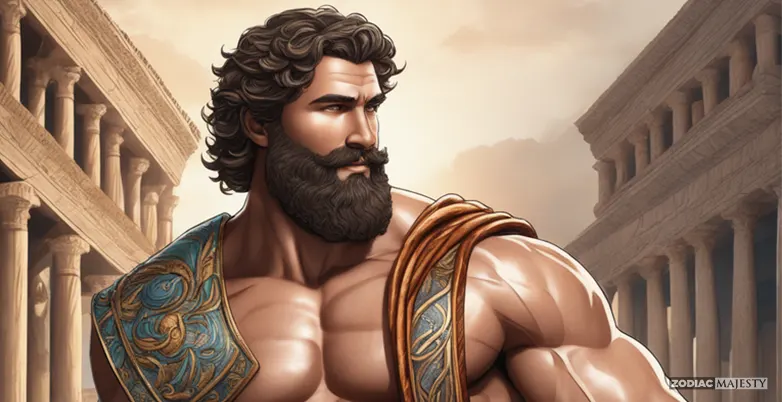
So, let’s switch gears a bit and talk about a total legend: Heracles, or as the Romans call him, Hercules. This dude was all about muscle and courage – seriously, he was like the OG action hero. But get this, he had a gnarly backstory. He had to do twelve crazy-hard tasks, which they call the Twelve Labors, as a way to make up for a pretty epic mistake he made.
Now, what’s super cool is that these Labors are like cosmic cousins to the twelve zodiac signs. It’s like each task lines up with a zodiac sign, and they all tell the story of Heracles’ journey. You’ve got this epic connection happening between these Labors and the whole Zodiac deal.
- The Nemean Lion (Leo): Heracles’ first labor involved slaying the fierce Nemean Lion, known for its impenetrable golden fur. Similarly, Leo, the lion, is a symbol of courage, power, and leadership.
- The Lernean Hydra (Cancer): Heracles battled the Hydra, a fearsome serpent-like creature with multiple heads. Cancer, the crab, symbolizes adaptability and regeneration, traits seen in the Hydra’s ability to regrow its heads.
- The Ceryneian Hind (Virgo): Heracles pursued a golden-horned deer, known as the Ceryneian Hind. Virgo, represented by the maiden, emphasizes purity, precision, and pursuit of perfection, reflecting Heracles’ meticulous chase.
- The Erymanthian Boar (Aries): Heracles captured the ferocious Erymanthian Boar, a task requiring boldness and determination. Aries, the ram, represents courage, assertiveness, and the ability to face challenges head-on.
- The Augean Stables (Taurus): Heracles was tasked with cleaning the vast and filthy Augean Stables in a single day. Taurus, the bull, symbolizes strength, endurance, and practicality, qualities needed to accomplish such daunting labor.
- The Stymphalian Birds (Aquarius): Heracles frightened away the man-eating Stymphalian Birds with his loud bronze castanets. Aquarius, the water-bearer, signifies innovation, independence, and the ability to disrupt norms, mirroring Heracles’ creative approach.
- The Cretan Bull (Scorpio): Heracles wrestled and captured the wild Cretan Bull, showcasing his determination and strength. Scorpio, represented by the scorpion, embodies intensity, resilience, and the ability to overcome formidable adversaries.
- The Mares of Diomedes (Sagittarius): Heracles tamed the man-eating mares of the Thracian king Diomedes. Sagittarius, the archer, symbolizes adventure, freedom, and a thirst for knowledge, akin to Heracles’ daring exploits.
- The Belt of Hippolyta (Libra): Heracles retrieved the enchanted belt of Hippolyta, the queen of the Amazons. Libra, the scales, represents balance, justice, and harmony, reflecting Heracles’ quest for fairness and diplomacy.
- The Cattle of Geryon (Gemini): Heracles herded the mighty cattle of the three-headed monster Geryon. Gemini, the twins, symbolizes duality, adaptability, and communication, attributes needed to navigate the complex task.
- The Apples of the Hesperides (Pisces): Heracles obtained the golden apples from the nymphs guarding them. Pisces, the fish, represents intuition, compassion, and spiritual depth, qualities aligning with Heracles’ journey into the mystical realm.
- The Capture of Cerberus (Capricorn): Heracles ventured into the realm of Hades to subdue the three-headed dog Cerberus. Capricorn, the sea goat, embodies discipline, ambition, and the ability to conquer challenges, just as Heracles braved the underworld to complete his final labor.

Heracles’ first labor involved slaying the fierce Nemean Lion
These remarkable parallels between the Twelve Labors of Heracles and the zodiac signs in Greek mythology highlight the enduring influence of astrology and its integration into ancient tales. The intricate connection between Heracles’ feats and the qualities associated with each zodiac sign provides a deeper understanding of the significance and symbolism that permeate our understanding of the zodiac today. Through these legends, we glimpse the timeless wisdom and eternal fascination that the zodiac signs continue to hold in our collective consciousness.
The Twelve Zodiac Signs
Alright, folks, get ready to dive into the juiciest chapter ever – Chapter II: The Twelve Zodiac Signs. We’re about to unlock the cosmic secrets behind each of these twelve zodiac signs and the epic tales that give them their seriously cool vibes. From brave Aries to dreamy Pisces, we’re in for a rollercoaster of myths, heroes, and creatures that’ll totally blow your mind. So buckle up, because this is where the real cosmic magic happens!
1. Aries: The Ram and the Golden Fleece
2. Taurus: The Bull and the Abduction of Europa
3. Gemini: The Twins and the Story of Castor and Pollux
4. Cancer: The Crab and the Tale of Heracles and the Hydra
5. Leo: The Lion and the Nemean Lion’s Defeat
6. Virgo: The Virgin and Astraea
7. Libra: The Scales and Themis
8. Scorpio: The Scorpion and Orion’s Fateful Encounter
9. Sagittarius: The Archer and the Centaur, Chiron
10. Capricorn: The Sea-Goat and the Transformation of Pan
11. Aquarius: The Water-Bearer and the Youth Ganymede
12. Pisces: The Fish and the Story of Aphrodite and Eros
Astrology in Ancient Greece
Introduction: Exploring Astrology in Ancient Greece

Alright, let’s talk astrology – that ancient practice where folks try to connect the dots between the stars and how they might mess with our lives. It’s been around forever and has this super cool history that’s all mixed up with different cultures. One of the star players in this story? Ancient Greece, no doubt. These guys were all about gods, smarts, and understanding the big mysteries of the universe, so astrology was right up their alley.
Picture this: back in Ancient Greece, astrology was like this VIP at the party, hanging out with other brainy stuff like philosophy and science. Whether you’re talking about the big shots in cities like Athens and Sparta or the legendary minds like Plato and Aristotle, everyone was in on this cosmic conversation. They were all about figuring out how the stars and planets matched up with human lives, and let me tell you, they left a mark that’s still with us today.
So, here’s the deal: this chapter we’re diving into? It’s like a time machine taking us straight into the heart of Ancient Greek astrology. We’re talking about where it all began, the key players who made it tick, and how it shaped the Greek society of the time. Get ready to uncover how astrology and myths, deep thoughts, and even politics all hung out together. It’s like peeling back the curtain on this super fascinating corner of Ancient Greece. So, who’s ready to take this cosmic ride?
The Influence of Greek Astrologers: Ptolemy and the Hellenistic Tradition

Alright, hold onto your cosmic hats because Greek astrology was like the superstar of the show during the Hellenistic period. That’s when Greek culture and all that brainy knowledge spread like wildfire, from Egypt to Persia and beyond. And guess what? This was the time when astrology seriously leveled up, thanks to some major players who rocked the scene.
One of these rockstars was Claudius Ptolemy – this dude was a real triple threat: astronomer, mathematician, and astrologer. He was like the OG influencer, dropping some major knowledge bombs and shaping the astrology game for good.
![Claudius Ptolemaeus [Ptolemy] Woodcut by T Stimmer 1587](https://zodiacmajesty.com/wp-content/uploads/2023/08/Claudius-Ptolemaeus-Ptolemy-Woodcut-by-T-Stimmer-1587.webp)
Claudius Ptolemaeus [Ptolemy] Woodcut by T Stimmer 1587
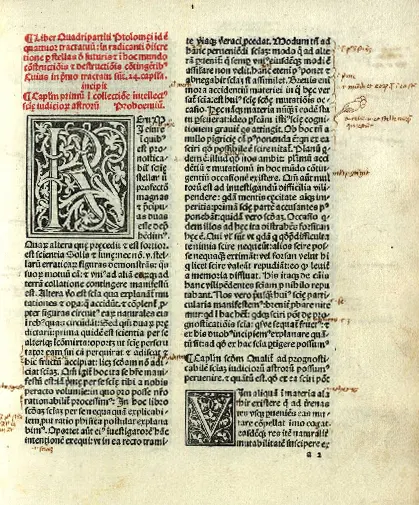
Quadritpartitum-15th century Latin reproduction of the first edition of the Tetrabiblos, translated by Plato of Tivoli Published in Venice, Erhard Ratdolt, 1484
Ptolemy was just the beginning. Those Hellenistic astrologers who followed his lead went all out, building this wild system of Astro techniques and theories. They dropped the twelve-house system, planet power rankings, and even divided the zodiac into its own degrees and signs. These tweaks made predictions sharper and helped us humans understand how the stars and our lives do this cosmic dance together.
But here’s the kicker: Greek astrologers weren’t just local heroes. Oh no, their teachings and tricks spread like wildfire across the Mediterranean. They were like the OG influencers, shaping astrology way beyond their time. Their legacy lived on in the Islamic world and Europe, and guess what? Even now, their Hellenistic tradition is still a massive deal for astrologers who are all about diving deep into the cosmic sea of knowledge.
The Role of Zodiac Signs in Ancient Greek Society

Alright, let’s take a trip back to ancient Greece – you know, the place where they were all about astrology and those zodiac signs? It was kind of a big deal. The Greeks were totally into the whole celestial show, thinking that those stars and planets had some serious mojo that could totally shake up human lives and fates.
So, picture this: those zodiac signs, the ones that match up with different times of the year? Yeah, they were like these cosmic cheat codes for understanding people. The Greeks thought that each sign had its own unique vibe and that it could even predict what was coming down the road and help with those tough decisions.
They weren’t just stopping at predictions, though. The Greeks believed that if you were born under a certain zodiac sign, you got a dose of its special traits and qualities. It’s like being a part of a cosmic club with its own superpowers, linked to gods, creatures, and symbols that had major meaning in their culture.

But hold on tight, because it didn’t stop there. Astrology and zodiac signs were like the life coaches of the ancient world. They didn’t just guide personal stuff; they had their say in bigger events too, like weddings, farming seasons, and yes, even battles. Astrologers were like cosmic weather forecasters, reading stars and planets to dish out advice and predictions to individuals and whole communities.

Astrology and zodiac signs had their say in bigger events like battles
And get this: zodiac signs were everywhere. They popped up in art, pottery, and even in the design of buildings. It was like a way of saying, “Hey world, this is who we are!” Temples dedicated to specific zodiac signs? Yup, that was a thing. Rituals and ceremonies went down in these spots to honor the deities tied to those signs.
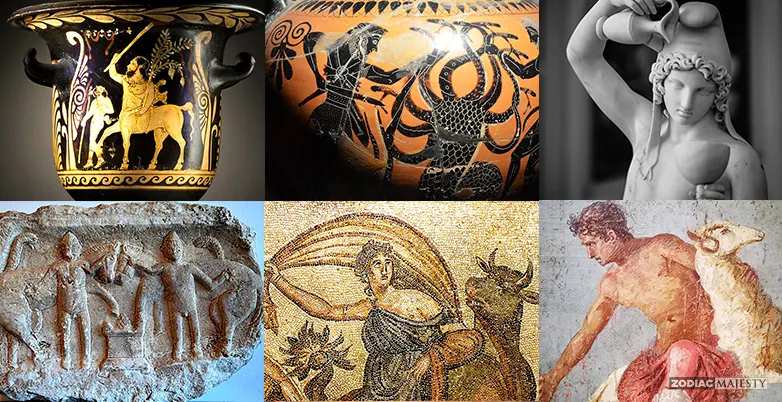
In ancient Greece, zodiac signs were everywhere
So, what’s the big takeaway? Well, believing in zodiac signs wasn’t just a fad for ancient Greeks – it was a way of life. It shaped how they saw things, how they understood people, and how they made choices. It was like this roadmap for self-discovery and personal growth, a guide to make sense of this crazy thing called life. Those zodiac signs? They were likewise friends who were always there to lend a helping hand.
Astrology and the Greek Pantheon: Connecting the Hellenic Pantheon and Celestial Bodies

Alright, let’s take a stroll through the ancient Greek mythiverse – where those Greek gods ruled like cosmic bosses and astrology was totally in the mix. So, the Greek Hellenic pantheon? Yeah, those were the heavyweight deities who had their fingerprints all over the celestial scene. The Greeks thought these gods weren’t just chilling up there – they were like puppet masters pulling the strings of the universe, with stars and planets dancing to their divine tune.
Each Greek deity was associated with certain zodiac signs or planets, creating a profound connection between the divine realm and the astrological world. These celestial associations not only emphasized the gods’ dominion over specific aspects of human life but also provided a framework for understanding the influence of the heavens on mortal affairs.
For example, Zeus was associated with the planet Jupiter. As the largest planet in the solar system, Jupiter was seen as a symbol of Zeus’ grandeur and authority. Similarly, Aphrodite, the goddess of love and beauty, was connected with the planet Venus, which represented feminine energy and attraction.

The coolest part? The twelve main Greek gods were besties with the zodiac signs too, making this whole divine-astrological connection even deeper. Ares, the warrior god, was all about Aries, the fire sign known for its fierce nature. Athena, the goddess of wisdom, had a cosmic bond with Virgo, the sign that’s strategic and practical, just like her.
But this was way more than just a cool story. The Greeks believed that the gods’ link to certain zodiac signs or planets shaped the destiny of anyone born under their influence. So, if you were born with a certain god or planet as your cosmic buddy, that had some serious sway over who you were and where you were headed.
And oh, the stories! Greek mythology was like this never-ending soap opera where gods and humans mixed it up in the most epic ways. Stars and planets weren’t just for show; they played a role in how these myths played out, like a cosmic script guiding the action.
This whole web of gods and cosmic stuff? It was more than just a cool concept for the Greeks. It was this mind-blowing connection that showed how the divine and the natural world were totally intertwined. It was like having a hotline to the gods themselves. And for the Greeks, understanding the movements of the stars and planets was like peeking into the gods’ playbook and getting the 411 on life’s grand plan.
Legacy and Significance of Astrology: From Greek Times to the Modern World
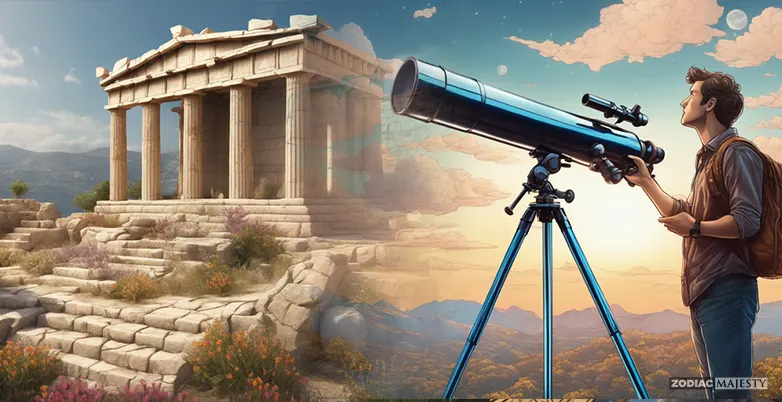
In this Chapter, we will delve into the legacy and significance of astrology, tracing its journey from ancient Greece to the modern era. We will explore its impact on different cultures, its evolution over time, and the enduring questions it seeks to answer.
Astrology, this ancient practice that seeks to understand the influence of celestial bodies on human lives, has left a profound and enduring legacy throughout history. As we have seen previously, its roots go back to ancient Greece, where it flourished as an integral part of society, spirituality, and the pursuit of knowledge. From its early beginnings in Greek civilization, astrology has transcended time and culture, leaving an indelible mark on civilizations around the world.
In ancient Greece, astrology held great significance in various aspects of life. It was intertwined with Greek mythology, as the Hellenic pantheon was believed to govern different celestial bodies and influence human affairs accordingly. The Greeks saw the movements of the stars and planets as divine messages, guiding individuals and shaping their destinies. Astrology became a means to navigate the complexities of life, seeking insights and understanding through the patterns and alignments of the heavens.
As Greek civilization expanded and encountered other cultures, astrology’s influence spread and merged with different belief systems. It found its way into the Hellenistic era, blending with Egyptian, Babylonian, and Persian astrological traditions. This fusion resulted in the development of new techniques, systems, and interpretations that would shape the course of astrology for centuries to come.

The significance of astrology continued to grow during the Roman Empire, where it played a role in politics, governance, and the daily lives of its citizens. Emperors sought the guidance of astrologers for matters of state, and astrology was integrated into religious practices and festivals. It became a tool for understanding personal characteristics, predicting events, and offering guidance on matters such as marriage, health, and career.

Astrology offered guidance to Greeks on matters such as marriage
With the rise of Christianity, astrology faced challenges as the Church sought to assert its authority and suppress competing belief systems. However, astrology persisted, adapting and finding new avenues for expression. It found renewed interest during the Renaissance when scholars revisited ancient texts and rediscovered the wisdom of the past. Astrology regained prominence and evolved alongside advancements in science, contributing to the birth of modern astronomy.
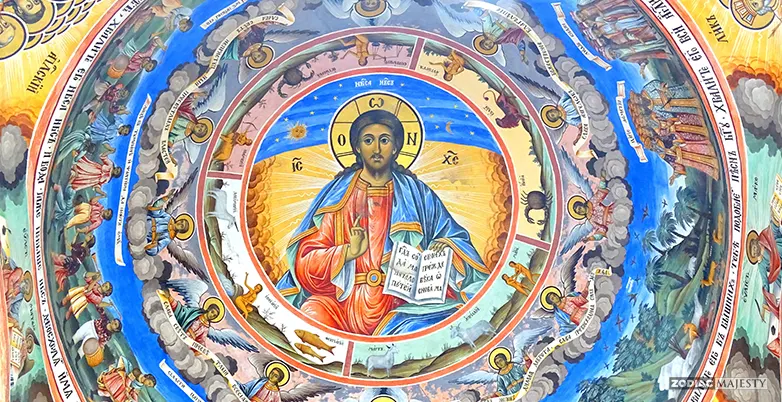
With the rise of Christianity, astrology faced challenges as the Church sought to assert its authority and suppress competing belief systems
In Islamic teachings, the practice of astrology is generally discouraged and viewed as a form of divination that goes against the belief in Allah’s ultimate control over destiny. Islamic scholars often emphasize the importance of relying on Allah’s guidance and trusting in His divine plan rather than seeking knowledge or predictions from astrological practices. However, it’s worth noting that interpretations of Islamic teachings on astrology can vary among different scholars and communities. Some Muslims may have an interest in astrology from a historical or cultural perspective, while others strictly adhere to the prohibition. Ultimately, individual beliefs and practices regarding astrology within Islam can differ based on personal interpretations and cultural contexts.
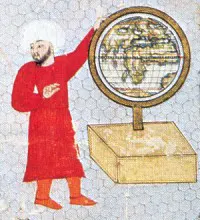
Islamic Astronomer

Arabic machine manuscript – The zodiac signs wheel
In the modern world, astrology continues to captivate and intrigue people from all walks of life. While some view it as a form of entertainment or personal exploration, others embrace it as a valuable tool for self-reflection and understanding. Astrology has found a place in popular culture, influencing art, literature, and even social media. Its language and symbols have become familiar to many, offering a lens through which individuals seek insights into their personalities, relationships, and life paths.

Astrology has found a place in popular culture, influencing art, literature, and even social media
Whether approached with skepticism or reverence, astrology’s enduring legacy lies in its ability to tap into the human desire for meaning and connection. It offers a framework through which individuals can explore their place in the cosmos, find solace in times of uncertainty, and seek guidance in navigating life’s complexities. The legacy of astrology from its Greek origins to the modern world is a testament to the enduring human fascination with the stars and our timeless quest for understanding.
The Enduring Impact: The Continuation of Zodiac Signs in Modern Astrology

In this section, we’re about to dive into the lasting impact that zodiac signs have on modern astrology. We’re going to explore the unique traits and meanings linked to each sign, how they play out in astrological charts, and how folks like you can actually apply all this knowledge to your own lives.
Astrology, with its incredible history and roots that go way back, is still a big deal in today’s world. And guess what? One of the standout stars in this whole cosmic show is the zodiac signs. These twelve signs have weathered the test of time and are a crucial part of astrology as we know it today. Each of these signs, tied to specific dates and their own set of qualities, gives us a roadmap for digging deep into ourselves, growing as individuals, and getting a grasp on what it means to be human.
Now, the story of these zodiac signs kicks off way back in ancient Babylon and Egypt. But it’s the Greeks who polished the idea and made it super popular. Their version of the Zodiac, known as the “Zodiac of the Twelve,” took the year and sliced it into twelve equal slices, with each slice matching up with a particular constellation. These star formations, shining up there in the night sky, were believed to have a say in shaping the lives and personalities of those born under their cosmic spell.

Babylon-Egypt-Quramati
Fast forward to today, and those zodiac signs still pack a punch. They’re like these identity markers that resonate across cultures and generations. Each sign brings a set of qualities, strengths, and challenges. So whether you’re an adventurous Aries, a nurturing Cancer, or an analytical Virgo, there’s a common language that lets us all explore and talk about who we are and what we’re all about.
In the world of modern astrology, zodiac signs are like the starting point for understanding what’s going on in an individual’s personal cosmic map – known as their natal chart. Astrologers look at where the planets and other celestial bits are hanging out within those zodiac signs to get a handle on what makes someone tick. It’s like a cosmic puzzle, with the pieces being the stars and the planets, and the zodiac signs guiding the way.
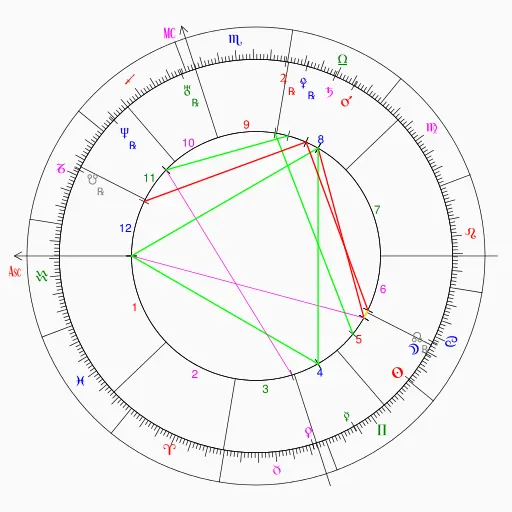
Example of a Natal Chart
Now, here’s the cool part: these zodiac signs are a universal language. No matter where you’re from or what you believe in, those archetypal themes and qualities that each sign carries? Yeah, they speak to everyone. It’s like a cosmic thread that connects us all. And you can’t ignore their presence in pop culture – from horoscopes to memes, they’re everywhere. They’ve made astrology super accessible and entertaining for a huge crowd.
But here’s the thing: astrology isn’t about predicting every tiny detail of your life or sealing your fate. Instead, it’s this symbolic code that nudges us to look inside, grow, and really understand the wild ride we’re on. By getting cozy with the wisdom of these zodiac signs, we’re equipped to tackle life with a clearer perspective. It’s like having a map for the journey, where we can embrace our strengths, face our challenges, and make choices with our eyes wide open.

Popularizing Zodiac Signs: Cultural Significance and Interpretations
Alright, buckle up for this chapter – we’re about to dig into the cool ways Zodiac signs influence culture, creativity, and our connections with each other. We’ll peek into how they’ve changed over time, spread across cultures, and even sparked those “a-ha!” moments of self-discovery.
Zodiac signs? They’re like these personality powerhouses that have become total icons in pop culture. Think horoscopes in newspapers or those personality quizzes that pop up on your social feed. The fascination with Zodiac signs has exploded, turning them into these symbols we all recognize, no matter where we’re from.
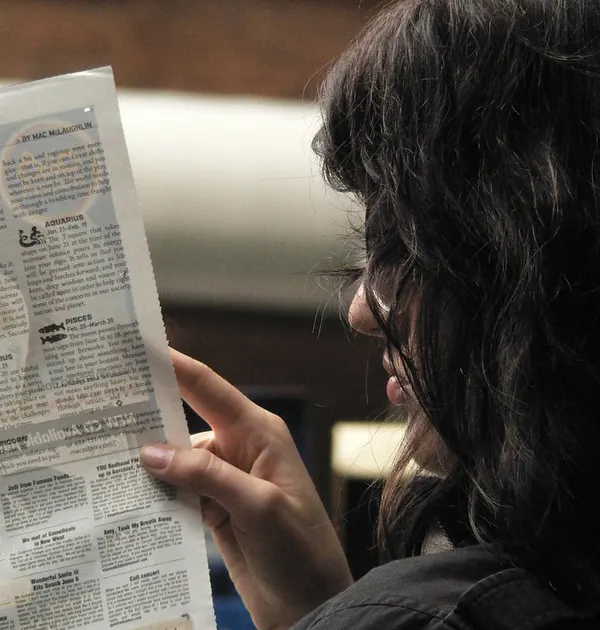
Horoscopes have become a daily ritual for many people
The magic of Zodiac signs? They’re like little identity tags that make us feel understood and connected. Each sign comes with its own set of traits that really capture who we are. And let’s not forget, they’re a go-to tool for some serious self-reflection. People use them to dive into their strengths, weaknesses, and ways they can grow.
But it doesn’t stop there. Zodiac signs are more than just personal discoveries – they’re like the secret sauce for creativity. Writers and artists tap into the symbolism and myths behind each sign to create characters, stories, and artworks that hit you right in the feels. So when you see that fiery Aries or the dreamy Pisces in a story, it’s more than just a character – it’s a cosmic-inspired masterpiece.

Saint Seiya is a Japanese manga and anime series that follows the adventures of mystical warriors known as “Saints,” who protect the Earth and the goddess Athena against powerful forces of evil. In the series, each of the main characters, who are the Bronze Saints, is associated with a specific Zodiac sign. The armors they wear, called “Cloths,” are inspired by the constellations of the Zodiac, and their abilities and personalities often reflect the traits commonly attributed to their respective signs. This Zodiac connection adds a unique dimension to the characters and their roles in the story.
The way Zodiac signs are interpreted? Well, that can change depending on where you are. Western astrology is the rockstar, but other cultures have their own take. For example, in India, they roll with Vedic astrology and something called lunar mansions or Nakshatras. It’s like getting a new lens to look at these signs through, adding more flavor to the mix.
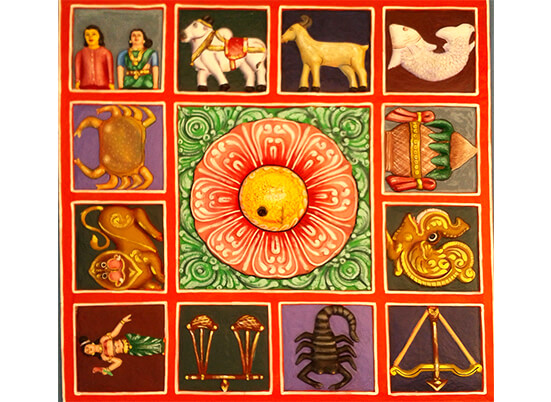
Vedic Astrology – Zodiac symbols painted Relief on the terrace of a Gopuram at Kanipakam
But hold up, there’s more. Zodiac signs are like the ultimate icebreaker. Talking about compatibility with pals, sharing Zodiac memes, or hitting up Zodiac-themed events – it’s all a way for us to connect and hang out over this shared fascination.

And here’s a little secret: technology and social media have played a massive part in spreading the Zodiac hype. The internet is like a treasure trove of horoscopes, astrology websites, and communities where you can swap stories and ideas. You can find your astrology crew in a snap and dive deeper into this whole Zodiac world.
But remember, while Zodiac signs offer some wicked insights and are loads of fun, they’re not the crystal ball of your life. They’re like these symbols that can guide you and help you know yourself better, but your own choices and experiences still do the heavy lifting. So, go on and embrace those Zodiac vibes with an open mind and a sprinkle of skepticism.
Exploring the Zodiac Today: Personal Reflection and Connection

Alright, let’s dive headfirst into the modern Zodiac scene in this chapter. We’re about to uncover why people are so into it, how it’s influencing our connections, decisions, and self-discovery – basically, how it’s rocking our world right now.
In today’s whirlwind of a world, astrology and the Zodiac have become like these go-to tools for personal reflection and tapping into something bigger than ourselves. Those twelve Zodiac signs with their distinct flavors? They’re like this guidebook for understanding ourselves and making sense of life’s twists and turns.
So, why the Zodiac craze? Well, a big reason is that it’s a gateway to self-discovery. When folks figure out their Zodiac sign based on their birthdate, it’s like finding a treasure chest of traits and qualities that match them. Whether it’s the tenacity of Taurus, the curiosity of Gemini, or the intensity of Scorpio, those Zodiac sign traits offer a glimpse into who we are and what makes us tick.

But it’s not just about diving into your own world. The Zodiac is also this universal language for bonding. When people share their signs, it’s like an automatic conversation starter. You’ll hear things like, “Oh, you’re a Leo? I’m a Sagittarius!” It’s all about comparing traits, checking compatibility, and even sizing up potential bosses. Exploring the Zodiac isn’t just about knowing yourself – it’s about understanding the people around you, too, which leads to stronger connections and empathy.
And thanks to the digital age, exploring the Zodiac has gone turbo. Online astrology communities are buzzing with people sharing stories, seeking advice, and learning the Zodiac ropes from one another. Plus, horoscope apps and websites are dishing out daily, weekly, or monthly readings tailored to your sign. It’s like having a cosmic guide in your pocket, ready to drop wisdom whenever you need it.
But hang on, the Zodiac isn’t just about self-discovery and chats with the universe. It’s also giving folks a nudge when it comes to life choices. Some folks turn to astrology for career paths, relationship advice, and soul-searching. They’re peeking at their Zodiac sign for hints about their strengths, weaknesses, and areas where they can grow. It’s like getting a cosmic thumbs-up for their journey.

Now, here’s the thing – the Zodiac isn’t a one-size-fits-all thing. It’s all about personal preference. Some folks dive in headfirst, finding all sorts of meaning and guidance. Others? They’re more chill or maybe a bit skeptical. Everyone’s got their own take on it, and that’s perfectly cool. The Zodiac’s like a buffet – you can pick what resonates with you.
So, ready to explore the Zodiac and see where it takes you? Let’s roll with it and see what the cosmos has in store.
Conclusion
Our journey through the world of Zodiac signs in Greek mythology has unveiled a captivating tapestry that binds celestial bodies with the lives of mortals. From the ancient origins of the Zodiac to its enduring influence in the modern era, the Greek perspective has indelibly shaped our perception of astrology and its cultural significance.
Throughout our exploration, the stories of Prometheus, Heracles, and the Greek pantheon have illuminated the intricate connections between gods, heroes, and the Zodiac signs. Each myth has cast a unique light on the essence of a particular sign, offering insights into its symbolism and inherent traits. The dual nature of Gemini, the intuitive depth of Pisces, and the determined spirit of Capricorn are but a few examples of how Greek mythology has etched its mark on our interpretation of the Zodiac.
Stepping beyond the confines of time, the legacy of Greek astrology continues to bridge the past with the present, providing a framework for self-discovery and forging connections. In our contemporary world, astrology has blossomed into a popular tool for self-understanding and fostering meaningful relationships. It serves as a universal language that transcends boundaries of geography, culture, and generation, providing a shared vocabulary for interpretation and discourse.
In the digital age, astrology has attained newfound accessibility. Online platforms, horoscope apps, and personalized readings empower individuals to engage with the Zodiac on their own terms. Whether seeking counsel, exploring compatibility, or finding solace in self-awareness, people persistently uncover comfort and inspiration within the wisdom of the Zodiac signs.
Concluding our odyssey through the rich tapestry of Zodiac signs in Greek mythology, we are left with an abiding appreciation for the timeless allure and profound import of these celestial symbols. The Greek perspective has woven a connection between the divine and the human, illuminating a path of self-discovery and connection.
As we embark on our individual journeys, may the threads of the Zodiac continue to guide us. In the intricate dance of life, let the stories and symbolism of the Zodiac serve as guiding lights, reminding us of our strengths, urging us toward growth, and fostering a deeper understanding of ourselves and the world around us.
Frequently Asked Questions
Step Into Quiz Wonderland!